The Second-Hand Revolution: Smart Shopping, Smart Planet
The Second-Hand Revolution
In a world where fast fashion dominates our closets and environmental consciousness grows stronger each day, the second-hand shopping revolution is transforming how we think about style, sustainability, and smart spending. The resale and thrift market isn't just a trend—it's a powerful movement reshaping the entire fashion landscape while helping conscious consumers make choices that benefit both their wallets and the planet.

The Explosive Growth of Second-Hand Shopping
The second-hand apparel market is experiencing unprecedented growth, with projections showing it will expand from $230.6 billion in 2025 to a staggering $438.1 billion by 2032—representing an impressive 11.9% compound annual growth rate. This isn't just about saving money; it's about making conscious choices that align with our values and environmental responsibilities.
What's driving this remarkable shift? Three key factors are propelling the second-hand revolution forward: economic pressures that make budget-conscious shopping essential, a growing desire for unique, one-of-a-kind pieces that express individual style, and increasing environmental awareness about the fashion industry's impact on our planet.
Why Quality Leather Goods Lead the Sustainable Fashion Movement
When it comes to sustainable fashion choices, quality leather goods stand out as exceptional investments. Unlike fast fashion items that quickly wear out, well-crafted leather pieces like those available at NoorGee's men's leather collection are built to last decades, making them perfect candidates for the circular economy.
💡 Smart Tip: Investing in Timeless Leather Pieces
When building a sustainable wardrobe, prioritize classic leather items like quality jackets, bags, and accessories. A well-made leather business bag or handcrafted leather backpack can serve you for years while maintaining its style and functionality. These pieces often improve with age, developing a unique patina that tells your story.
The Environmental Impact: More Than Just Fashion
The environmental benefits of second-hand shopping extend far beyond individual purchases. By choosing pre-owned items, consumers actively participate in reducing textile waste, lowering demand for new production, and minimizing the carbon footprint associated with manufacturing and transportation.
Featured Product
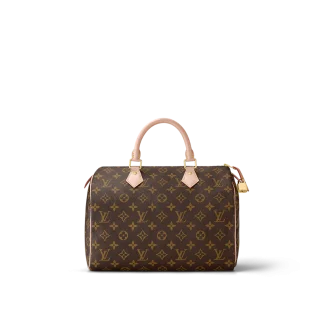 Hobo bag Speedy 30
$400.00 $200.00
The circular fashion economy thrives on the principle of extending product lifecycles. When you purchase a quality women's leather jacket or travel bag, you're not just buying an item—you're investing in a piece that can be resold, gifted, or passed down, continuing its journey long after it leaves your closet.
Technology Meets Thrift: The Digital Revolution
Modern thrift shopping has evolved far beyond dusty charity shops and weekend garage sales. Digital platforms and online marketplaces have revolutionized how we discover, purchase, and sell second-hand items, making sustainable shopping more accessible than ever before.
This digital transformation has also elevated the quality and curation of second-hand goods. Consumers can now find premium items like English bridle leather briefcases and professional travel bags at significantly reduced prices, proving that sustainable choices don't require compromising on quality or style.
Facts & Figures: The Numbers Behind the Movement
- Market Growth: The global second-hand apparel market is projected to reach $154.61 billion by 2032, growing at a 12.59% CAGR
- Environmental Impact: Buying second-hand extends clothing lifespan by an average of 2.2 years, significantly reducing environmental impact
- Consumer Adoption: 73% of millennials are willing to pay more for sustainable products, driving the second-hand market expansion
- Waste Reduction: The fashion industry produces 92 million tons of textile waste annually—second-hand shopping directly combats this issue
- Economic Benefits: Consumers can save 70-90% on designer and quality items through second-hand purchases
Building Your Sustainable Style Strategy
Creating a sustainable wardrobe doesn't happen overnight, but with thoughtful planning and smart choices, you can build a collection that reflects your values while maintaining impeccable style. Focus on versatile, high-quality pieces that can be mixed, matched, and styled for multiple occasions.
Consider investing in statement pieces like a European-style fashion handbag or a field duffel bag that can transition from professional settings to weekend adventures. These investment pieces often retain their value and can be resold when your style evolves.
The Future of Conscious Consumption
As we move forward, the second-hand revolution represents more than just a shopping trend—it's a fundamental shift toward conscious consumption and environmental responsibility. By embracing quality over quantity and choosing pre-owned treasures over fast fashion, we're not just changing our shopping habits; we're contributing to a more sustainable future for fashion and our planet.
The next time you're tempted by a fast fashion purchase, remember that somewhere out there is a perfectly good second-hand alternative waiting to be discovered. Whether it's a vintage leather jacket, a classic handbag, or a timeless accessory, choosing second-hand is choosing to be part of the solution.
Ready to start your sustainable shopping journey? Explore quality leather goods and accessories that stand the test of time at NoorGee US, where craftsmanship meets conscious consumption.
💡 Expert Tip: This smart shopping guide is powered by the "Noorgee AI Strategy Team" and is validated by our editorial staff for accuracy and relevance to the US market.
🛒 ”Ready to shop the smart way?“
Discover our curated collections on the
Noorgee US E-commerce Store!
Join the conversation